Well, the last several months have been packed with holidays and then our house deciding that it wasn’t getting sufficient attention. Now that the house has had a couple of unexpected and expensive repairs, has been blessed for the year, there is time to once again pay attention to this blog.
Old School Skills
The economy is continuing to prove challenging, money is being stretched and essentials are at the forefront of every budget. So, what do you do when sheets get ripped and replacing them is not easy to work into the budget?
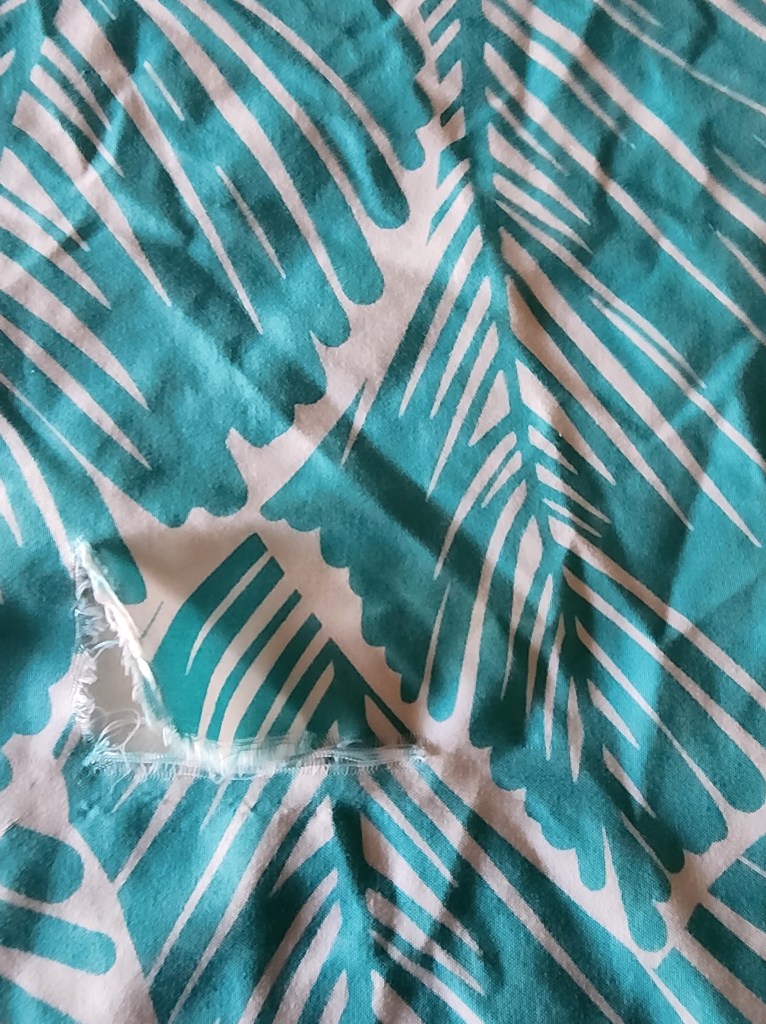
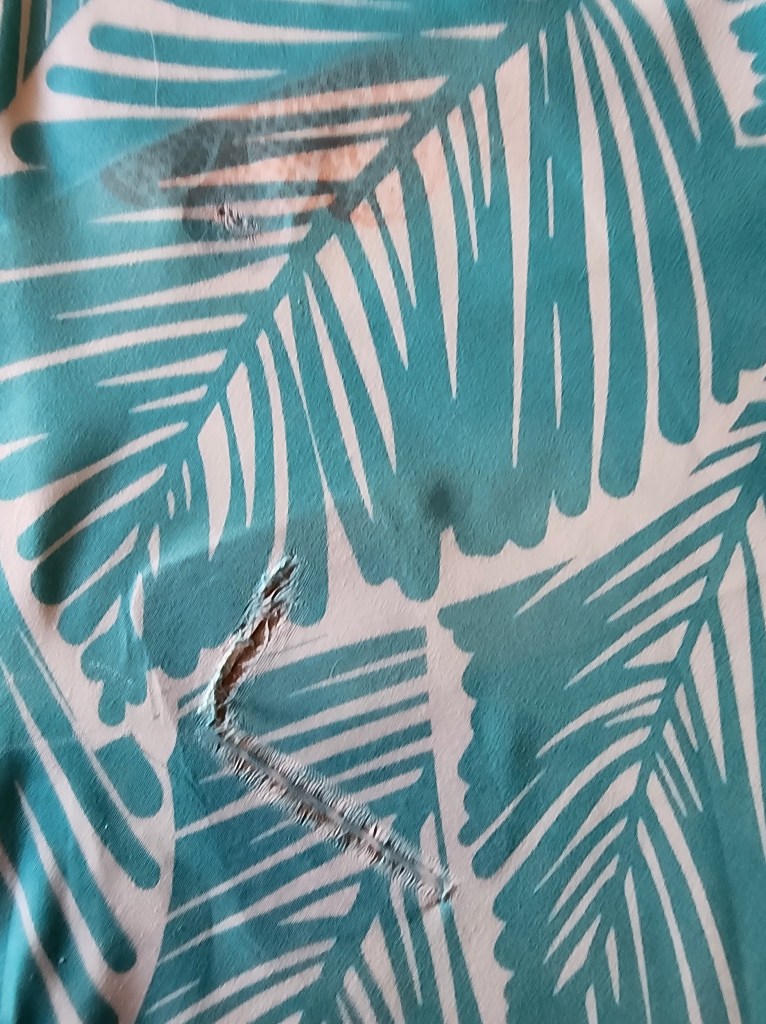
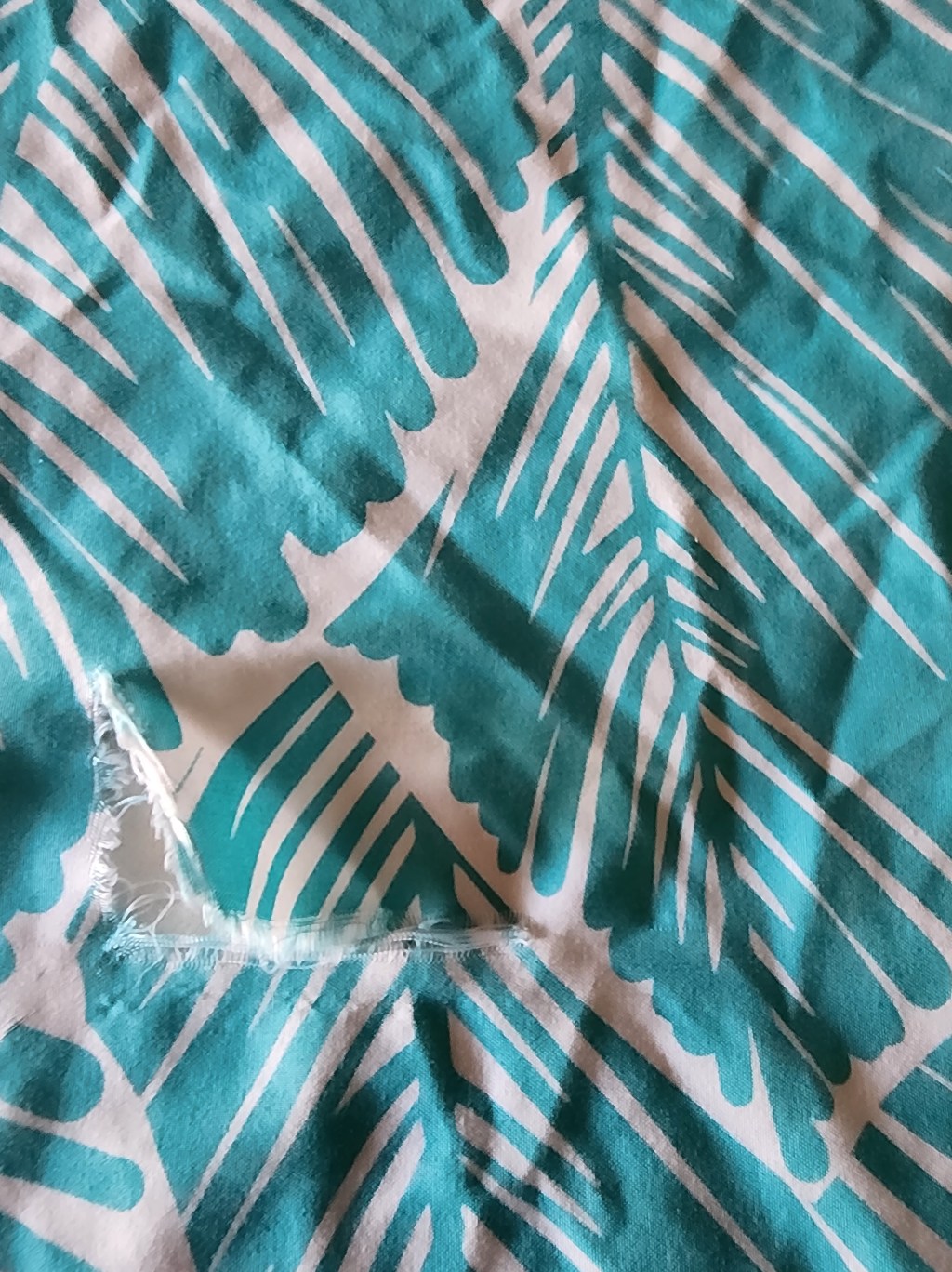
Nothing quite like crawling into bed after a long day to discover the lovely tear above. The sheets are soft, remain cool even on the hottest, most humid August day and while not the most expensive sheets in the linen closet, they are favorites. Mending sheets isn’t complicated and, if done properly, the mend will hold up through multiple washings.
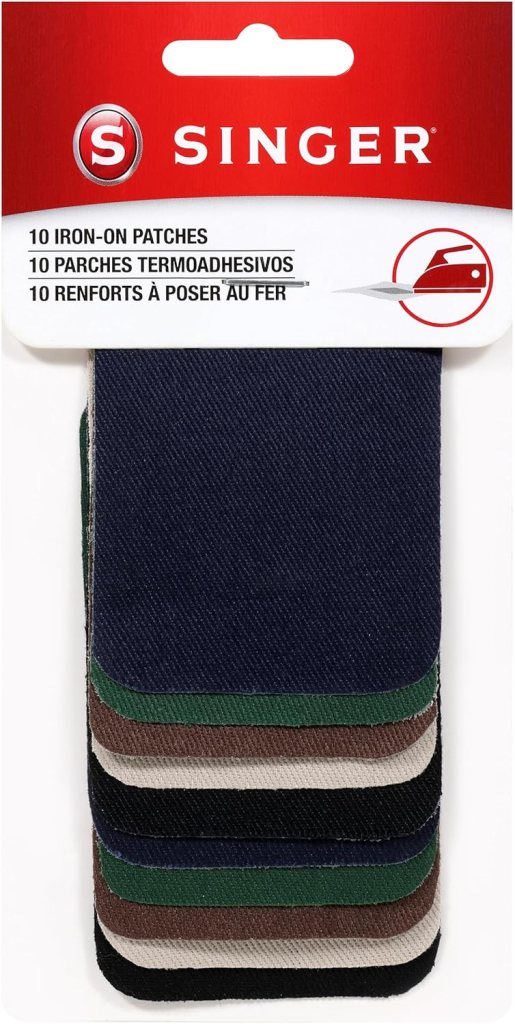
Similar patches to what I used for this repair, but the name brand (at the time of this posting) is $5.79 on Amazon versus $1.12 on Walmart for the “generic” version. Exact same patches, and that is more than a $4 difference in price. Shopping around is worth the time, especially since the ten patches in the pack will last for ages and will mend multiple items.
A couple of notes, for mending items that won’t be visible an exact color match isn’t required. If the repair will be visible, you want a color match that will blend in or coordinate with the item being repaired. For using patches like these, you will need an iron and an ironing board, or at the very least a very flat surface that can with stand high heat.
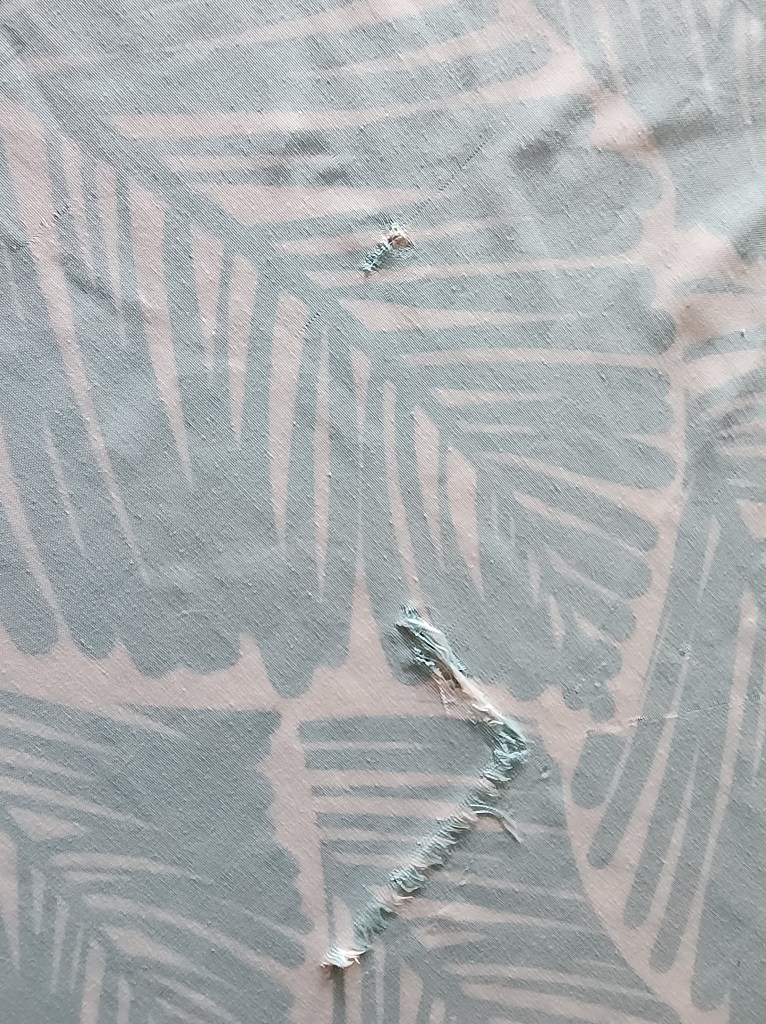
To begin you want to iron the item and line up the edges to be joined up as closely as possible. The alignment can be approximate for non-visible items. As you can see in the picture, the ripped edges of the sheets were frayed but easily aligned when ironed. Once you are happy with the alignment, trim the patch to fit the edges with a sufficient excess to ensure that there is fabric to adhere to that is not frayed or previously damaged.
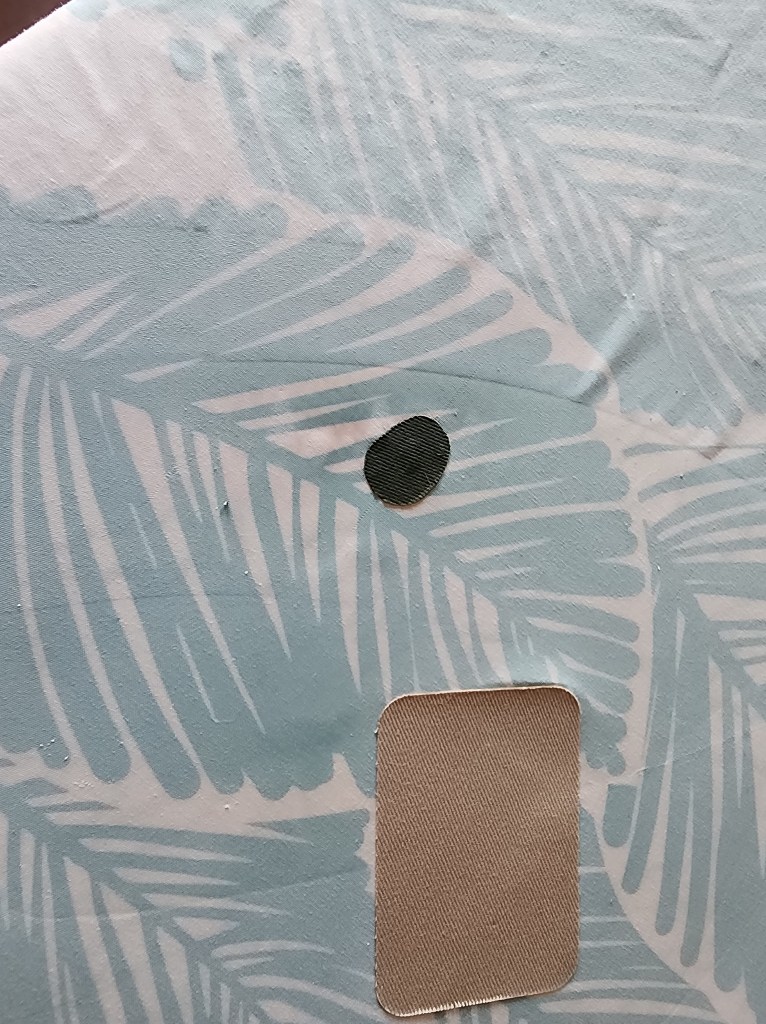
I chose to use a full patch for the largest tear and a circular patch for the smaller tear. Once you are happy with the patch size and alignment, follow the package instructions on heat of the iron and the length of time to hold the heat on the patch.
Altogether, the entire patching process took me less than ten minutes, including getting out the ironing board and letting the iron heat up. Being familiar with the process undoubtedly helped, but the process isn’t complicated and will last washings and wear and tear if you do not rush the process. And yes, as you can see below, I slightly scorched the sheets by holding the iron too long but again, it doesn’t affect the repair or the comfort of the sheets.
The finished product, well the smallest one, in all its patched glory. I made these repairs in mid-October last year. Since then, we have used the sheets multiple times, washed, dried, and folded them repeatedly. There is no wear and tear appearing on the sheets and has saved us from having to replace a sheets before the holiday season.
Those Lemons
The lemons life dishes out on a regular basis are often disguised as opportunities to learn and grow. Mending is often seen as an old-fashioned skill out of step with the modern world. However, mending is an essential life skill. It will save you money in the long run, even if it feels foreign and clumsy the first couple of times you attempt it. Start with iron on patches, they are the simplest to use and the fastest form of mending to complete. It is very hard to screw-up an iron on patch. It doesn’t have to be perfect, and it doesn’t have to be Instagram worthy.
All it has to be is complete and functional. It will extend the life of simple items like sheets with minimal effort and expense. It will easily repair and hold that jagged rip in jeans your grammar school child turns up with on a random Thursday afternoon. It will withstand repeated washings, it will take a beating and extend the life of clothing that already need to be replaced on an all too frequent basis with growing children.
And I can hear the commentary in the back, no mending your clothes is not embarrassing or a sign of being less than in a world obsessed with outward appearances. It is rather a sign of recognition that the obsession with consumerism has been detrimental to budgets for far too long and that repair, reuse is a far more sustainable lifestyle.
So those lemons, they aren’t horrible agents of upheaval. Rather they are opportunities to learn, grow, and adapt. If we change our outlook and don’t rush to automatically replace things that can easily be mended, new skills are acquired and budgets gain some breathing room. This isn’t me preaching, I am not immune to the ease of replacement modern culture has made so ubiquitous. Our budget definitely needs some breathing room after the Winter of 2026 and house repairs.
There are all kinds of mending, from the simplest like iron on patches to the far more complicated which require (for ease) the sewing machine. It is a skill you can acquire over time and gets better each and every time you utilize it. Don’t fret about perfection, rather remember that no one is perfect the first time they do something. It is scary but worth the effort and the reward.
 Wisdom from the Past
Leave a comment